
Volunteers
Whether you have a few hours or an entire weekend to give, there’s a place for you at the Feast. Volunteers help welcome nearly 40,000 visitors each year while becoming part of one of Indiana’s longest-running living history traditions. No experience is necessary—just a willingness to help and have fun.
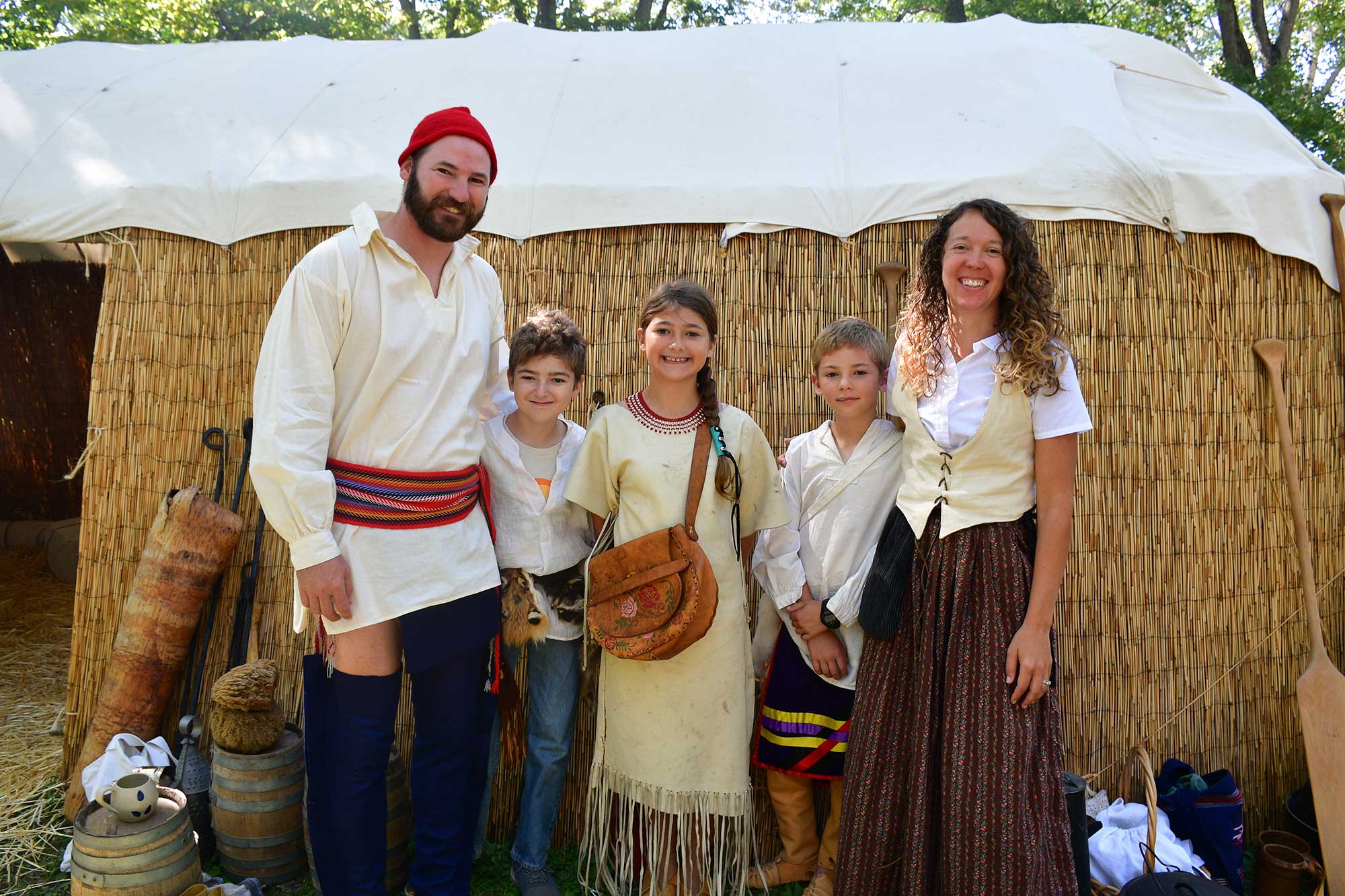
Program Booths (Period Clothing Required)
Help bring history to life by assisting at interactive program areas, including Archaeology, Candle Dipping, Children’s Try-On & Trade, the Bead Booth, and the Blockhouse. Opportunities are available for individuals, families, youth, and community groups.

Information Booth (Period Clothing Required)
Welcome visitors, answer questions, assist with lost and found, and distribute programs and maps. Volunteers with a general knowledge of the Feast are especially helpful in this role.
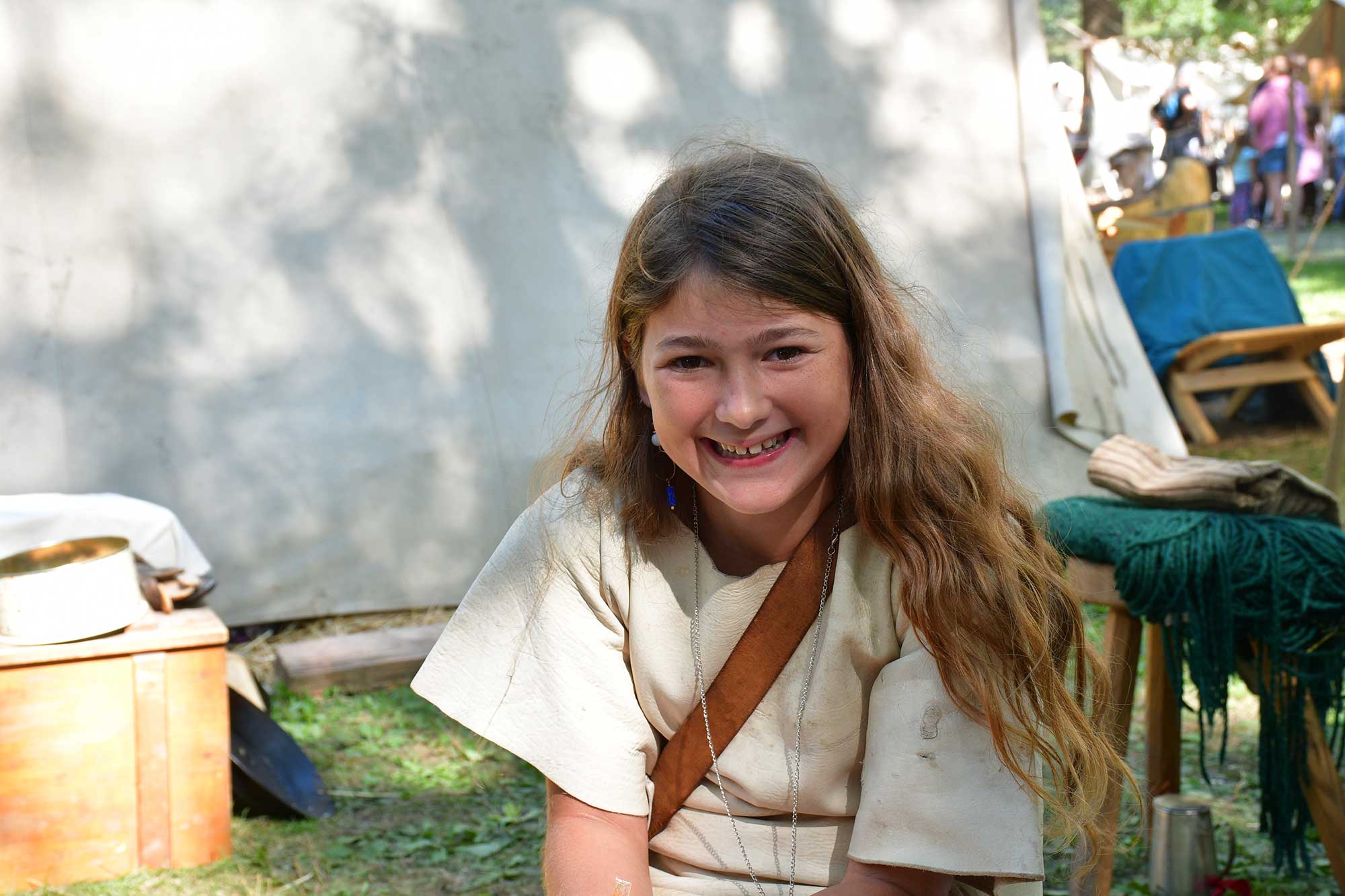
Merchandise Booths (Period Clothing Requirements Vary)
Assist with sales of official Feast merchandise and other historical items at TCHA-operated stores during School Day and throughout the weekend.
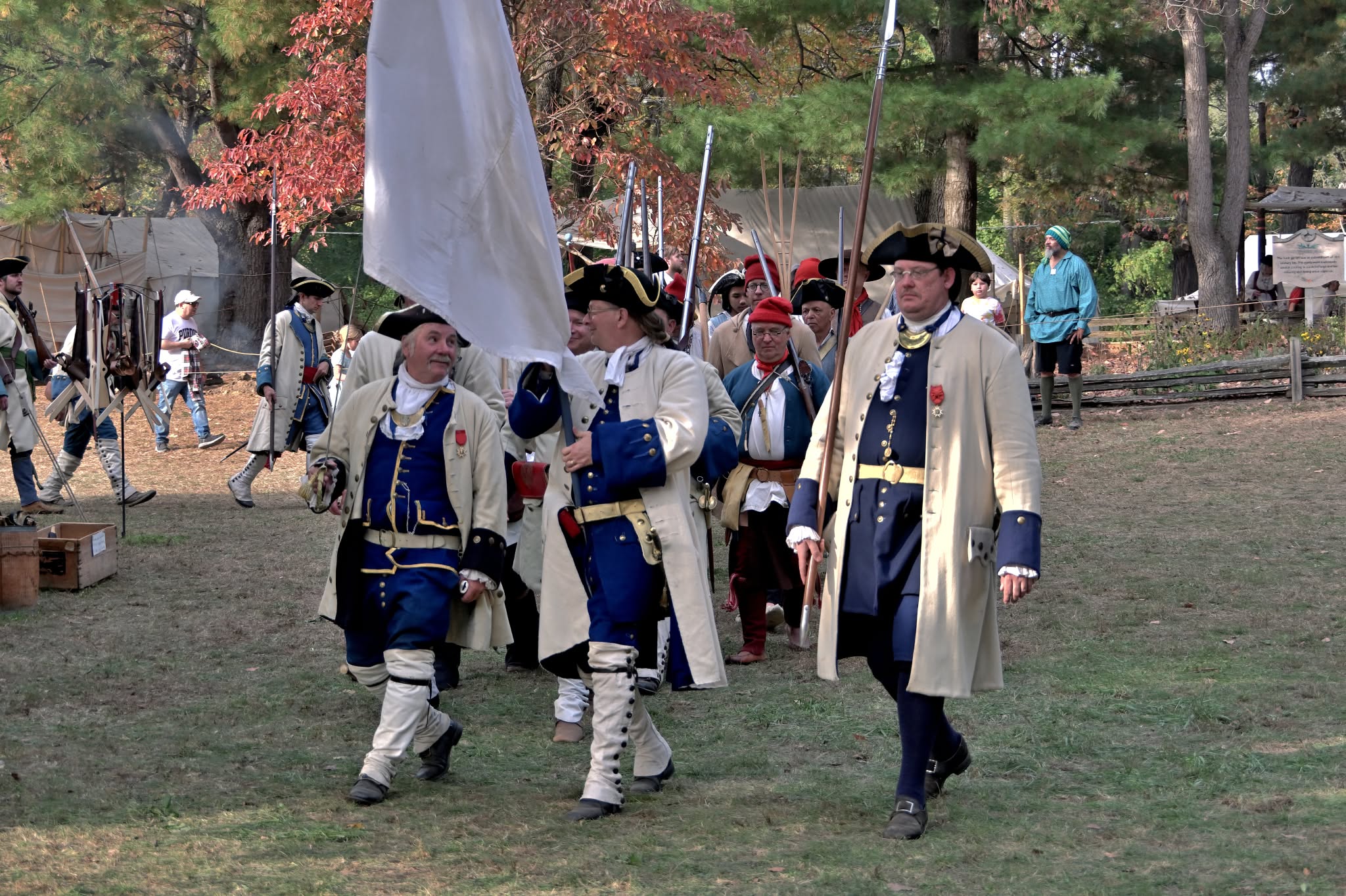
Grounds Assistance (Casual Attire)
Help prepare the site before the Feast by placing signage, moving tables and chairs, installing ground matting, and completing other setup tasks. Some physical activity is required.
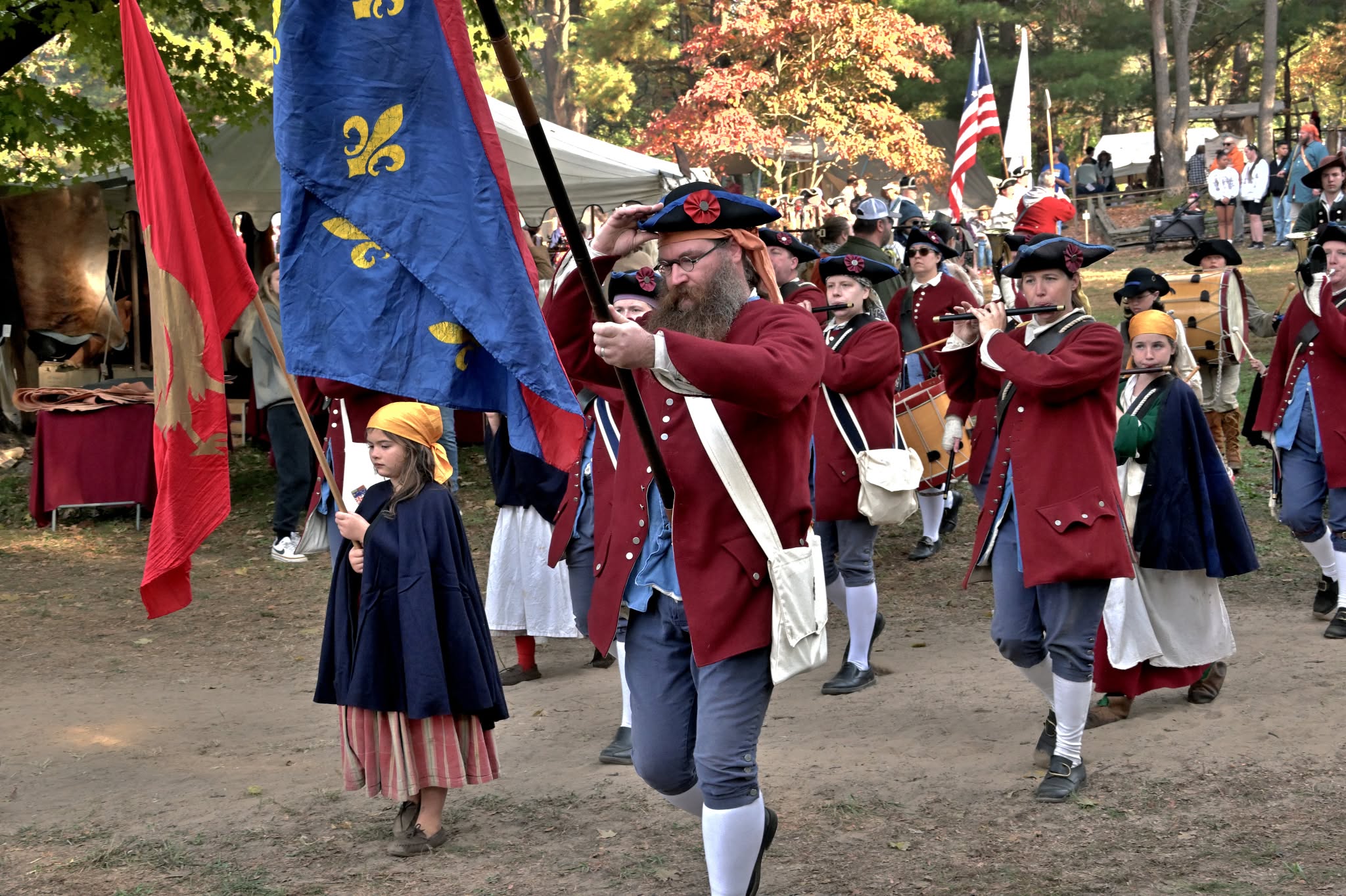
Set-Up Assistance (Casual Attire)
Join the team that transforms Fort Ouiatenon into the Feast. Volunteers help construct booths, install fencing, and prepare the grounds before participants arrive. Lunch is provided, and volunteers earn one participant badge for every eight-hour shift worked.
Roles and Opportunities
Whether you’re an experienced historical interpreter or joining the Feast for the first time, there’s a place for you. From merchants and military units to traditional craftspeople, performers, and operational volunteers, every participant helps create an authentic 18th-century experience for nearly 40,000 visitors each year.
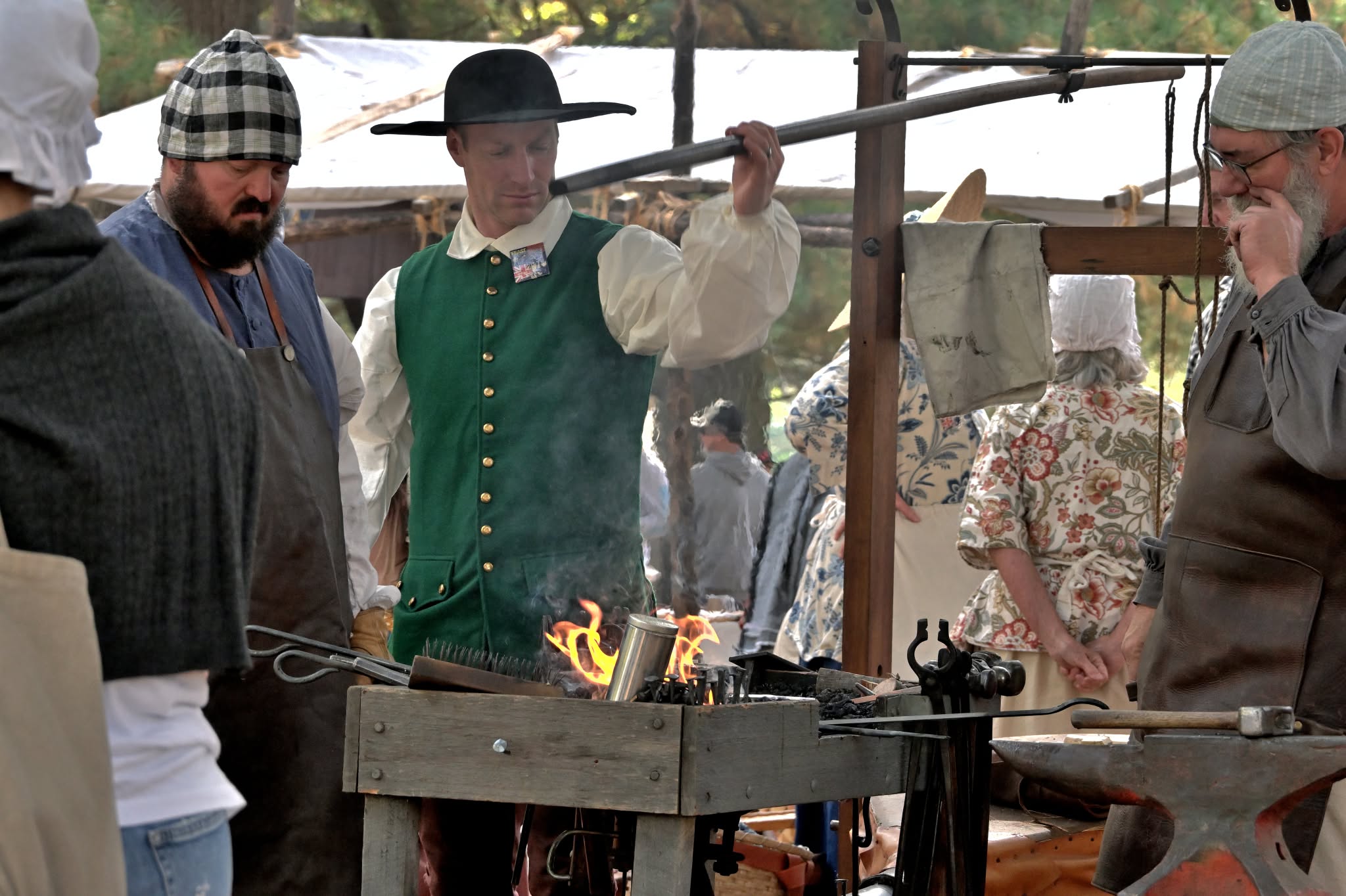
Sutlers
Sell historically appropriate goods and handcrafted wares while portraying an 18th-century merchant. Merchandise, displays, and camp presentation should support the Feast’s historical setting.
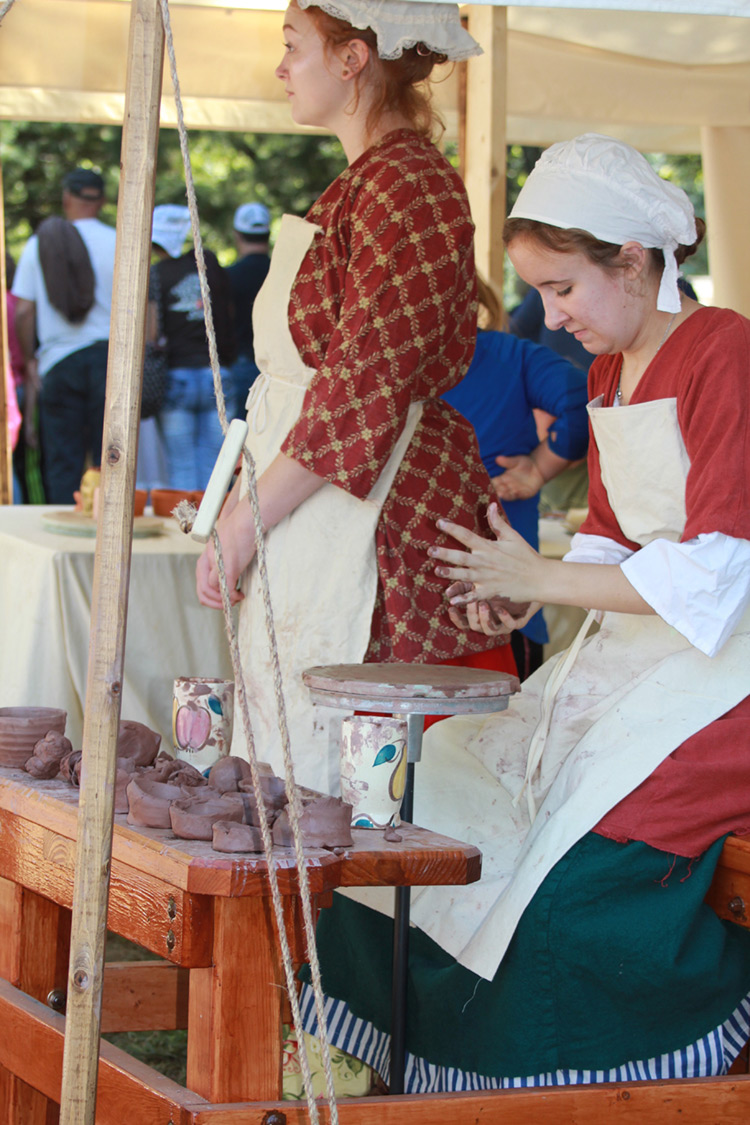
Traditional Craftspeople
Demonstrate traditional skills and trades through hands-on interpretation. Crafts should reflect techniques and materials appropriate to the 1717–1791 time period.
Performers & Program Personnel
Share music, storytelling, demonstrations, or educational programs that complement the Feast’s historical setting and enhance the visitor experience.
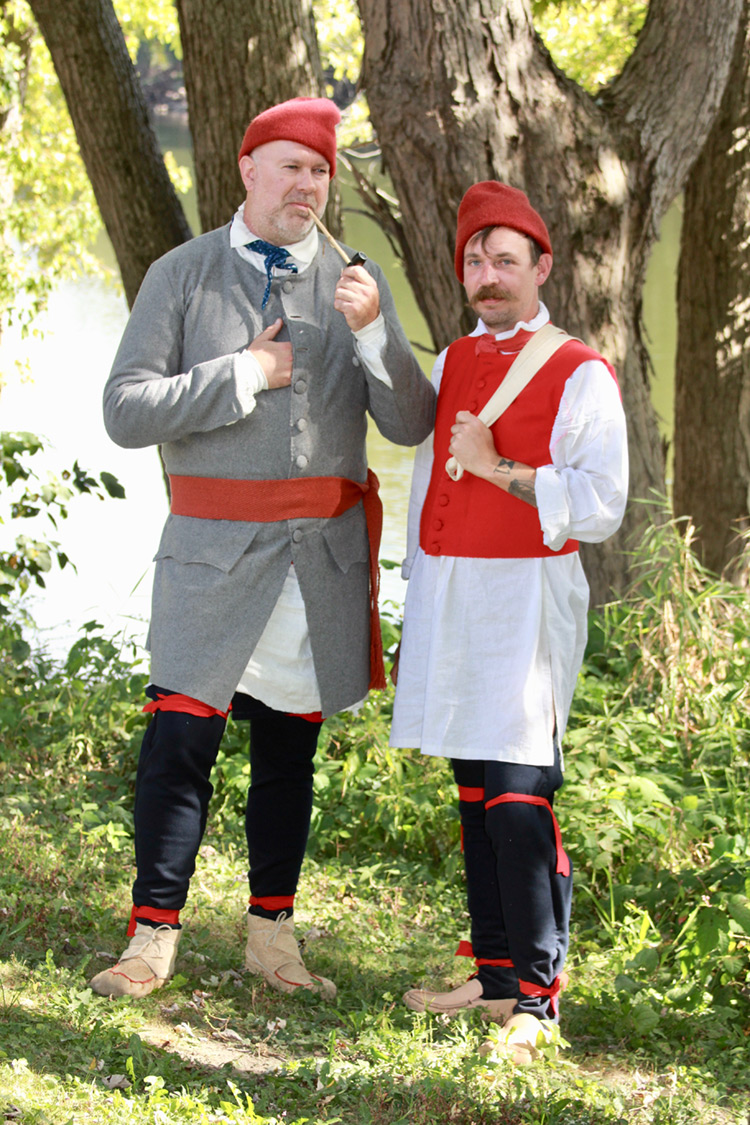
Voyageurs
Portray the French-Canadian voyageurs who traveled the waterways of North America. Authentic clothing, equipment, and camp presentation help tell the story of the fur trade.
Military Members
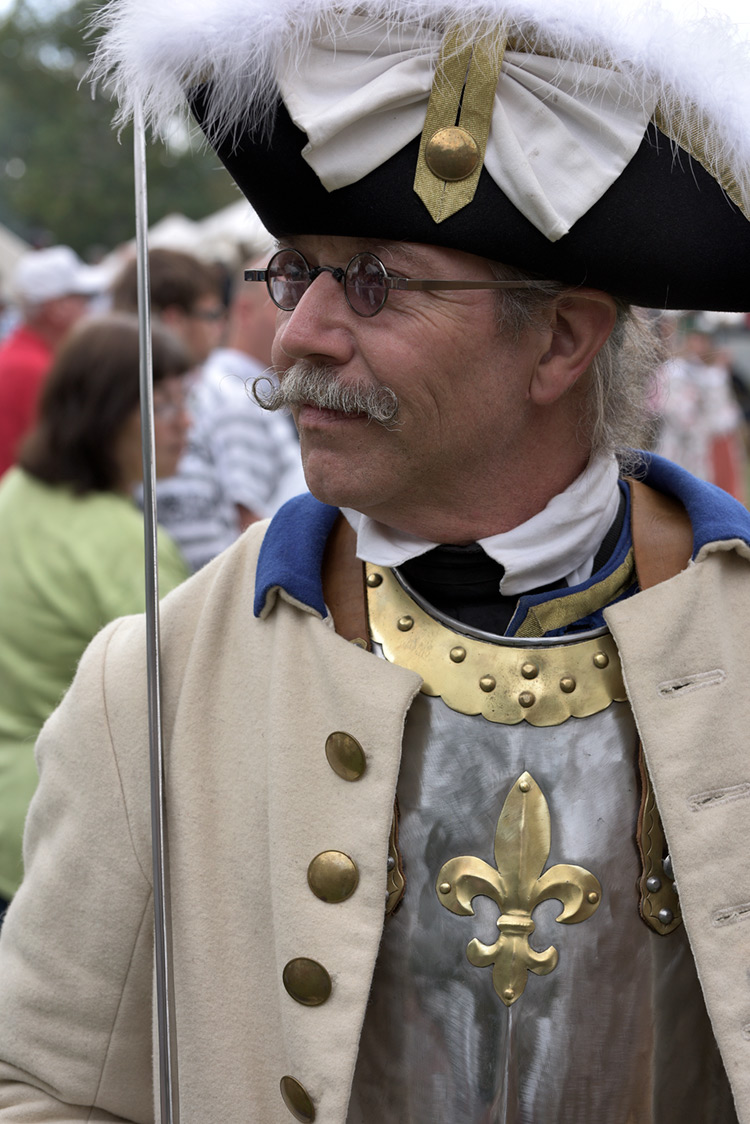
Represent military units serving in North America during the French and British colonial era. Uniforms, weapons, equipment, and drill should reflect documented historical standards.
Living History Standards
The Feast interprets life on the French and English colonial frontier between 1717 and 1791, with a commitment to historical accuracy, education, and respect for the diverse cultures and communities that called the Wabash Valley home. Every participant begins somewhere, and we encourage everyone to build the most authentic portrayal they can. Whether you’re just starting out or have decades of experience, our community is happy to share knowledge, resources, and encouragement as you continue to develop your interpretation.
Clothing & Attire
Participants portraying historical roles should strive for period-appropriate clothing and equipment while minimizing visible modern items. There has never been a better time to get involved in living history, with countless books, online resources, and experienced participants willing to help. The Feast also hosts an off-season sewing circle, offering guidance, patterns, and hands-on support for anyone looking to improve or build their historical wardrobe.
Native Americans
The Wea, part of the Miami peoples, lived across the Wabash River from Fort Ouiatenon in five villages, alongside neighboring Kickapoo, Mascouten, Sauk, and Fox communities. Native portrayals should represent Eastern Woodlands cultures of the period using historically appropriate clothing, equipment, and shelters. Modern camp furniture is not permitted.
Voyageurs
Voyageurs were the transportation network of the fur trade, paddling canoes between distant trading posts and settlements. Portrayals should reflect the practical clothing, equipment, and camp life of these skilled French-Canadian travelers.
Habitants
Habitants represent the French settlers, farmers, laborers, traders, and families who supported frontier communities like Fort Ouiatenon. Clothing, household goods, and camp life should accurately reflect civilian life during the period.
Military
Military portrayals should represent documented units serving in North America between 1717 and 1791. Uniforms, drill, weapons, and camp life should reflect established historical research and unit standards.
Merchants
Merchants and sutlers help recreate the bustling marketplace that surrounded Fort Ouiatenon. Booths, merchandise, demonstrations, and displays should complement the Feast’s educational mission and maintain an authentic 18th-century appearance.
Application Details & How to Apply
The Feast offers two application packets: one for on-grounds participants (sutlers, historical interpreters, traditional craftspeople, performers, and program personnel) and another for workers and volunteers (operational volunteers, setup crews, Feast staff, and other support roles). Submit your completed application by the posted deadline to receive the standard application fee and the best opportunity for return placement. Applications received after the deadline are subject to increased fees and placement based on remaining availability.
Completed applications should be emailed to apps@tippecanoehistory.org. If you have questions about participation or the application process, please contact feast@tippecanoehistory.org.
Camping
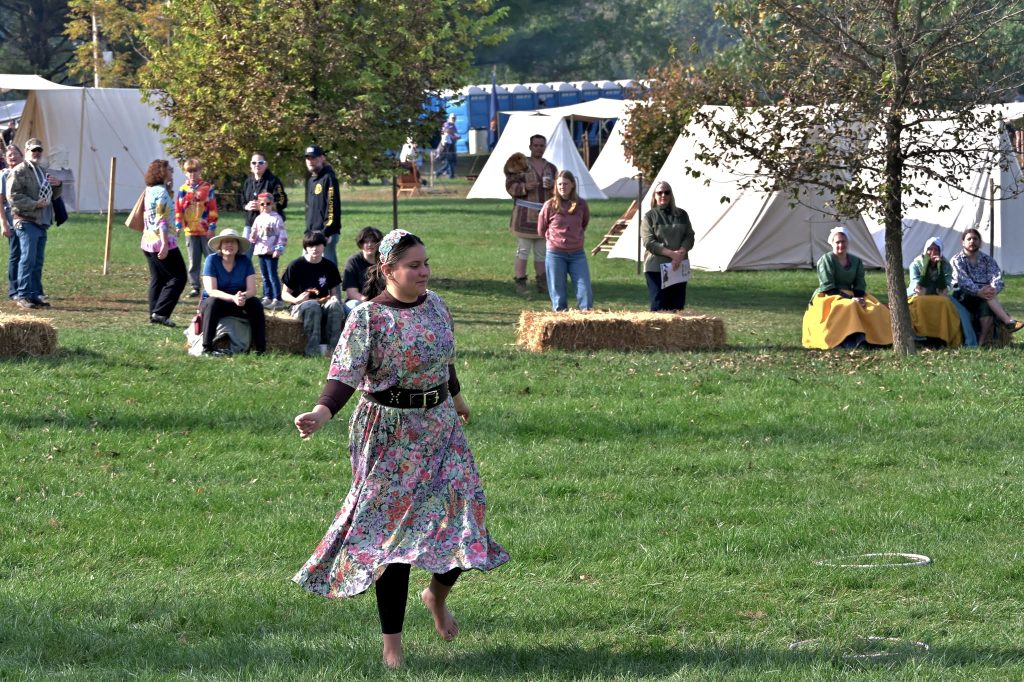
Camping is available exclusively to registered Feast participants, volunteers, and staff. Campsites are available for one flat fee, covering Wednesday before the Feast through Sunday night. Space is limited, so camping is assigned based on availability. Each application may reserve up to four campsites, with each site measuring approximately 15′ × 30′. Please be considerate of neighboring camps and reserve only the space you truly need.
Completed camping requests should be submitted with your participant application. Camping assignments are not guaranteed and are based on availability.
FAQs
Do I need experience to volunteer?
Not at all! Many volunteer positions require no previous experience. We’ll provide instructions and help you find a role that matches your interests and abilities.
Do I need to wear period clothing?
Only some positions require 18th-century clothing. Many volunteer opportunities, including Hospitality, Grounds Assistance, and Set-Up, may be completed in casual attire.
What is the application deadline?
Applications for sutlers, traditional craftspeople, performers, and other on-grounds participants are due July 1. Applications for military units, voyageurs, camping, and most remaining participant categories are due September 1. Camping applications received after September 1 are subject to increased fees, and September 15 is the final deadline for all applications.
How do I know if I've been accepted?
Applications are reviewed after the initial deadline for each category. Acceptance notifications are typically sent shortly afterward, along with any additional information you’ll need before arriving at the Feast.
What are the Feast's quality control standards?
The Feast strives to present an authentic interpretation of life on the colonial frontier. Specific standards for merchandise, camps, clothing, demonstrations, and historical portrayal are outlined in each application packet.
Can I camp on the grounds?
Yes. Registered participants, volunteers, and staff may camp on grounds within their historical encampment or a modern campsite, subject to availability and application deadlines.
What's the difference between a living history participant and an operational volunteer?
Living history participants portray people of the 18th century through clothing, camps, demonstrations, or trade. Operational volunteers support the Feast behind the scenes in roles such as hospitality, information, setup, and logistics, and are not required to meet living history standards.
Can I submit my application after the deadline?
Yes, if space remains available. However, late applications are subject to increased application fees and cannot be guaranteed their previous location or placement.
Can I request my previous campsite or booth location?
Returning participants may request previous locations when applying by the applicable deadline. While we make every effort to honor these requests, placement cannot be guaranteed, particularly for late applications.
Who do I contact if I have questions?
Questions about participation, applications, or camping may be directed to feast@tippecanoehistory.org. Completed applications should be emailed to apps@tippecanoehistory.org.
When will I receive my performance schedule?
Performance schedules are developed after performer applications have been reviewed and accepted. Final schedules are typically distributed several weeks before the Feast and include performance times, locations, load-in information, and any special appearances or ceremonies.
Does the Feast provide lodging?
Accepted performers are responsible for arranging their own lodging. The Feast typically negotiates a discounted room block at a nearby hotel, and reservation information will be shared with accepted performers. Performers are also welcome to make their own lodging arrangements if they prefer.
Do performers receive a stipend?
Yes. Accepted performers receive a performance stipend as outlined in their contract. The amount varies depending on the type and duration of performances.
What sound equipment is provided?
Performance areas vary throughout the grounds. Some stages include sound reinforcement while others are designed for acoustic performances. If your performance has specific technical requirements, please discuss them during the application process so we can determine the best venue.
What are the expectations for performers?
Performers are an important part of creating an immersive 18th-century experience. While authenticity expectations vary by performance style, we ask all performers to help maintain the atmosphere of the event, remain professional with visitors, and work collaboratively with staff and fellow participants.
What happens if it rains?
The Feast is held rain or shine. Performances may be delayed, relocated, or canceled if severe weather creates unsafe conditions. Staff will communicate any schedule changes as quickly as possible through established participant communication channels.